As global supply chains become increasingly digital and interconnected, they are also more exposed to cyberattacks, counterfeiting, and data manipulation. Each stage, from raw material extraction to retail delivery, represents a potential point of compromise.
According to the World Economic Forum, global supply chain disruptions cost businesses over $3 trillion annually, while counterfeit goods account for nearly 3.3% of global trade. Traditional, centralized databases and paper-based verification systems can no longer ensure the integrity, transparency, and trust that today’s supply chains demand.
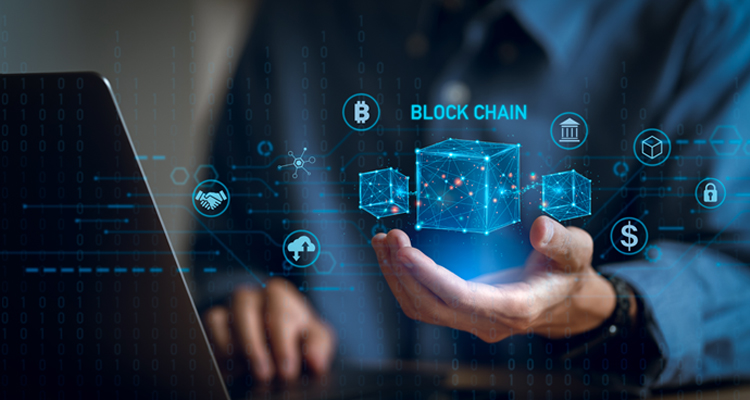
The answer lies in blockchain technology, a decentralized, tamper-proof, and verifiable system that is redefining supply chain security, authenticity, and compliance assurance.
Understanding Blockchain: The Foundation of Trust
At its core, blockchain is a distributed ledger that records transactions across multiple nodes. Each record is time-stamped, encrypted, and verified through consensus, making it nearly impossible to alter or delete without network agreement.
Key properties of blockchain in supply chain security:
- Immutability: Once recorded, data cannot be modified or erased.
- Decentralization: Eliminates single points of failure and central authority control.
- Transparency: Every transaction is traceable and visible to authorized participants.
- Auditability: Enables verifiable historical records for compliance and investigations.
Together, these properties transform blockchain into a digital trust fabric, a secure infrastructure that brings visibility and authenticity to every link in the supply chain.
The Growing Complexity of Supply Chain Risk
Today’s supply chains span thousands of vendors, multiple jurisdictions, and strict compliance frameworks. This complexity introduces a range of vulnerabilities:
| Risk Type | Description | Impact |
| Counterfeiting | Fake or diverted products infiltrate legitimate networks (common in pharma, electronics, and luxury goods). | Brand erosion, consumer harm, and legal penalties. |
| Data Tampering | Manipulated shipment or certification records. | Loss of audit trust, compliance violations. |
| Lack of Visibility | Fragmented data systems hinder end-to-end tracking. | Inefficiency, poor risk response. |
| Regulatory Non-Compliance | Incomplete or unverifiable documentation. | Fines, license revocation, and reputational damage. |
| Cyberattacks | ERP and logistics systems targeted for data theft or disruption. | Operational downtime, data loss. |
Blockchain mitigates these risks by ensuring a single, immutable version of truth shared securely across all stakeholders.
How Blockchain Reinforces Supply Chain Security
a. End-to-End Traceability and Provenance
Each transaction, from manufacturing to delivery, becomes a verifiable block on the chain.
- Enables product authentication for consumers and regulators.
- Streamlines recalls by pinpointing defective or counterfeit batches.
- Builds supplier trust through transparent provenance records.
Example: In the pharmaceutical industry, blockchain ensures compliance with U.S. DSCSA and EU FMD by tracing every vial or tablet through verified serialization data.
b. Tamper-Proof Documentation
Once inspection certificates, test results, or shipping documents are uploaded, they become immutable.
- Eliminates document fraud and internal manipulation.
- Simplifies dispute resolution and regulatory audits.
- Maintains integrity across multi-tier supplier ecosystems.
Use Case: Food safety recalls that once took weeks now take hours, reducing contamination spread and reputational harm.
c. Smart Contracts and Automated Compliance
Smart contracts are programmable blockchain functions that automatically execute when conditions are met, ensuring instant, rule-based compliance.
- Trigger audits when anomalies occur.
- Release payments upon verified delivery.
- Auto-submit reports to regulators.
This reduces manual intervention, eliminates human error, and maintains continuous compliance across global operations.
d. Supplier Due Diligence and ESG Verification
Blockchain provides a verifiable record of supplier integrity and sustainability.
- Records certifications (ISO, RoHS, GMP) and ESG audits.
- Tracks carbon footprints, ethical sourcing, and labor standards.
- Prevents “greenwashing” through immutable verification.
NanoMatriX integrates blockchain-verified records into AI-powered compliance dashboards, generating real-time risk scores, evidence management, and automated alerts for frameworks like ISO 27001, ISO 9001, and NIST CSF.
e. Real-Time Visibility and Predictive Risk Mitigation
By combining IoT sensors with blockchain, organizations gain live visibility into shipment conditions and security.
- IoT data (temperature, humidity, GPS) is immutably logged.
- AI models flag anomalies such as route deviations or threshold breaches.
- Real-time alerts enable proactive risk response.
Outcome: A predictive, self-healing supply chain capable of preventing disruptions before they escalate.
Key Industries Leveraging Blockchain for Security
| Sector | Application | Value Delivered |
| Pharmaceuticals | Serialization and traceability | Counterfeit prevention, DSCSA/FMD compliance |
| Food & Agriculture | Farm-to-fork tracking | Food safety, sustainability transparency |
| Aerospace & Defense | Parts authentication | Ensures flight safety, prevents tampering |
| Energy & Utilities | Equipment provenance | Protects against supply chain cyber-physical risk |
| Luxury Goods | Digital certificates | Protects brand reputation, prevents fakes |
| Critical Infrastructure | Supplier integrity validation | Secures operational continuity |
Blockchain provides end-to-end visibility and trust, aligning industrial operations with regulatory and ethical expectations.
Blockchain and Regulatory Compliance Alignment
Blockchain enhances compliance by providing real-time data integrity and auditable trails across global frameworks.
Aligned Standards:
- ISO 28000 – Supply Chain Security Management
- ISO 27001 – Information Security Management
- NIST Cybersecurity Framework – Data Integrity and Response
- APRA CPS 234 – Third-Party Risk Management
- GDPR / PDPO – Privacy and Data Accountability
- FDA Track & Trace – Pharmaceutical Serialization
NanoMatriX Advantage:
- Consolidates evidence across multiple frameworks in real time.
- Reduces audit prep time by up to 70%.
- Enables continuous compliance with AI-driven policy checks.
- Detects and predicts emerging risks using integrated analytics.
Blockchain + AI: The Next Stage of Supply Chain Assurance
Blockchain secures the data; AI gives it intelligence. Together, they create a self-learning compliance ecosystem that is predictive, adaptive, and transparent.
Combined Capabilities:
- AI-based anomaly detection for fraudulent patterns.
- Predictive analytics for supply disruptions.
- Federated AI models that learn across distributed networks securely.
- Zero-Knowledge Proofs (ZKPs) to verify data without disclosing sensitive details.
NanoMatriX is at the forefront of this convergence, combining blockchain traceability with AI-driven compliance automation to create a real-time trust infrastructure for the global supply chain.
Implementation Roadmap for CIOs and Compliance Leaders
- Map Vulnerabilities: Identify visibility gaps and high-risk suppliers.
- Select Blockchain Type:
- Private (Hyperledger) – for controlled ecosystems.
- Consortium (Corda, Quorum) – for industry collaborations.
- Public (Ethereum) – for consumer transparency.
- Integrate ERP, IoT, and Compliance Systems: Enable seamless data exchange.
- Deploy Smart Contracts: Automate workflows and governance rules.
- Define Governance Policies: Set access controls, roles, and audit frameworks.
- Leverage NanoMatriX: To unify blockchain, AI, and compliance for full traceability and trust.
Future Outlook: Blockchain as the Trust Backbone
By 2030, over 50% of global supply chains are projected to use blockchain or DLT-based solutions for traceability and compliance.
Emerging Trends:
- Interoperable blockchain networks across industries and regulators.
- AI-powered smart audits replacing manual compliance checks.
- Blockchain-based ESG tracking for sustainability verification.
- Quantum-resistant cryptography securing next-generation supply chains.
Blockchain is rapidly evolving from a transparency tool into the trust backbone of global trade.
From Transparency to Trust with NanoMatriX
Blockchain is no longer experimental; it is now the strategic foundation of secure, compliant, and resilient supply chains.
When paired with AI-driven intelligence from NanoMatriX, blockchain becomes more than a ledger; it becomes a trust engine that powers real-time verification, automated compliance, and predictive risk mitigation.
Enterprises adopting blockchain-enabled compliance today are building the digital infrastructure for a secure, transparent, and sustainable global economy.
FAQs: Blockchain in Supply Chain Security
- What is blockchain’s main role in supply chain security?
It ensures immutability, traceability, and verified trust across every transaction and participant. - How does blockchain prevent counterfeiting?
By assigning each product a tamper-proof digital identity, we ensure lifecycle tracking from origin to delivery. - Which compliance frameworks align with blockchain security?
ISO 27001, ISO 28000, NIST CSF, APRA CPS 234, GDPR, and FDA Track & Trace. - Can blockchain improve audit efficiency?
Yes, blockchain creates immutable records, while NanoMatriX AI automates compliance validation and reporting. - What industries benefit most?
Pharmaceuticals, food, energy, defense, luxury goods, and critical infrastructure. - What are the biggest challenges?
Interoperability, governance, and standardization across blockchain ecosystems. - How does NanoMatriX integrate blockchain into compliance?
It synchronizes blockchain traceability with AI-driven dashboards, automating audits and reporting. - Is blockchain environmentally sustainable?
Yes, modern proof-of-stake and private blockchain frameworks minimize energy use. - How does AI enhance blockchain performance?
AI adds anomaly detection, predictive analytics, and intelligent automation to blockchain data. - Why choose NanoMatriX for blockchain-based supply chain security?
Because NanoMatriX combines AI, blockchain, and compliance automation to deliver trusted, audit-ready, and tamper-proof supply chain assurance.


Recent Comments